
Methyl Cellulose (MC) – Construction & Industrial Grades
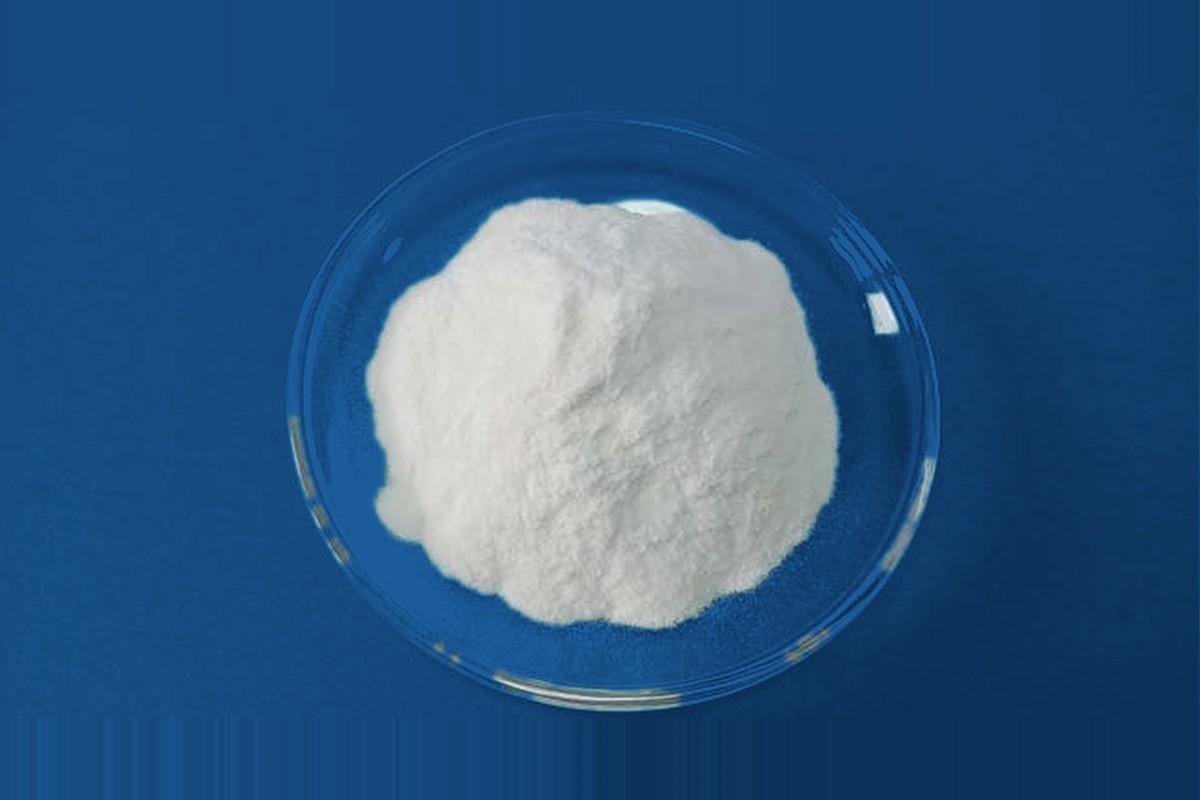
Methyl cellulose (MC) is the base cellulose ether: a non-ionic, water-soluble polymer that thickens, retains water and forms a thermally reversible gel on heating.
What methyl cellulose is
Methyl cellulose (MC) is the base cellulose ether: a non-ionic, water-soluble polymer that thickens, retains water and forms a thermally reversible gel on heating. That thermal gelation is what sets MC apart – the solution gels as it heats and re-dissolves as it cools. In ceramic extrusion this is exactly what a maker wants: the gel holds the shape of an extruded body and lubricates it through the die, then releases on cooling. It is also why MC shows up in heat-set food textures and in construction mortars where water retention matters.
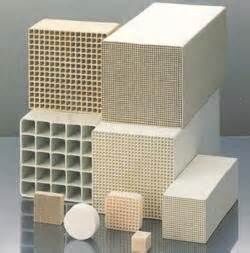
- Ceramic extrusion – the thermal gel holds the shape of the extruded body and lubricates it through the die, then releases on cooling.
- Construction mortars – water retention and workability.
- General industrial thickening – band quoted, grade set against your process.
Thermal gelation – MC’s signature property
As a rule of thumb, the gel temperature tells you the working window before the solution sets, and the viscosity tells you the thickening and retention you will get. Below the gel point MC behaves like any thickening, water-retaining cellulose ether; above it the solution gels and stops retaining water. That is a limit to respect in a mortar – and it is the entire point in a ceramic extrusion, where the gel is what holds the green body together.
Typical profile – and how every figure is stated
| Property | Typical value | How it is measured / stated |
|---|---|---|
| Ionic character | Non-ionic, water-soluble | — |
| Methoxyl | 28-33% | — |
| Thermal gel temperature | ~50-55 C | Construction / industrial grade |
| Viscosity (higher convention) | ~50,000-200,000 mPa.s | Brookfield, 2% solution |
| Viscosity (lower convention) | 15-50,000 cps | A legacy convention still in circulation. We always state which method, concentration and temperature a figure uses. |
The third column is the point, and on MC it matters more than on any other product we make: the same material can be quoted as 200,000 or as 50,000 depending on which convention the supplier used. A number without its method is not comparable with anything.
How viscosity is quoted (two conventions)
Band quoted; grade set against your process. Certificates we hold are available for your review.
Documents
We manufacture in our own plant inside a national-level chemical park in Wudi, Binzhou, Shandong: 68,000 m2, 27,000 tonnes a year, 120 staff of whom 30 are qualified technical personnel. These are numbers you can verify on site, and visits are welcome.
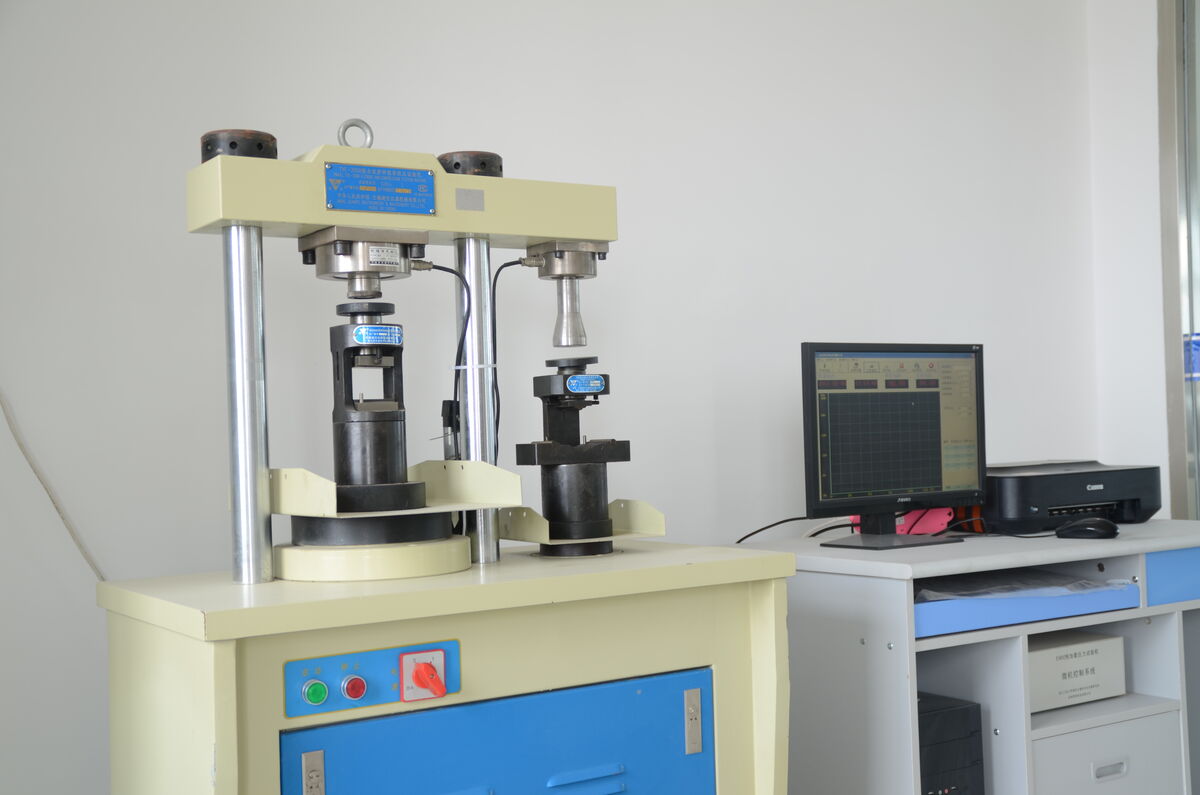
Every viscosity comes in both NDJ and Brookfield, always with the test conditions – concentration, temperature, spindle and speed – so the number you check on arrival matches the one we shipped against.
Frequently Asked Questions
What is thermal gelation and why does it matter?
MC gels when heated and re-dissolves when cooled. In ceramic extrusion it gives green strength and lubrication; in food it builds heat-set texture. The gel temperature (around 50-55 C for our grade) is the working window before it sets.
Why do I see two very different viscosity numbers for MC?
Two conventions are in use – a higher mPa.s range (Brookfield 2%) and a lower cps range – so a figure means nothing without its method. We state method, concentration and temperature on every value.
Is MC used in food or pharmaceutical applications?
MC is used in both. STAR-K Kosher (Pareve) covers our MC, with the certificate original on file – see our Pharma & Food area. Tell us the application and we confirm in writing what we can supply for it. This page covers construction and industrial MC.
How do I choose a grade for ceramics?
Tell us the body, the die and your firing process; we recommend a viscosity and gel profile and confirm it on a sample.