
HPMC (Hydroxypropyl Methyl Cellulose) – Construction & Industrial Grades
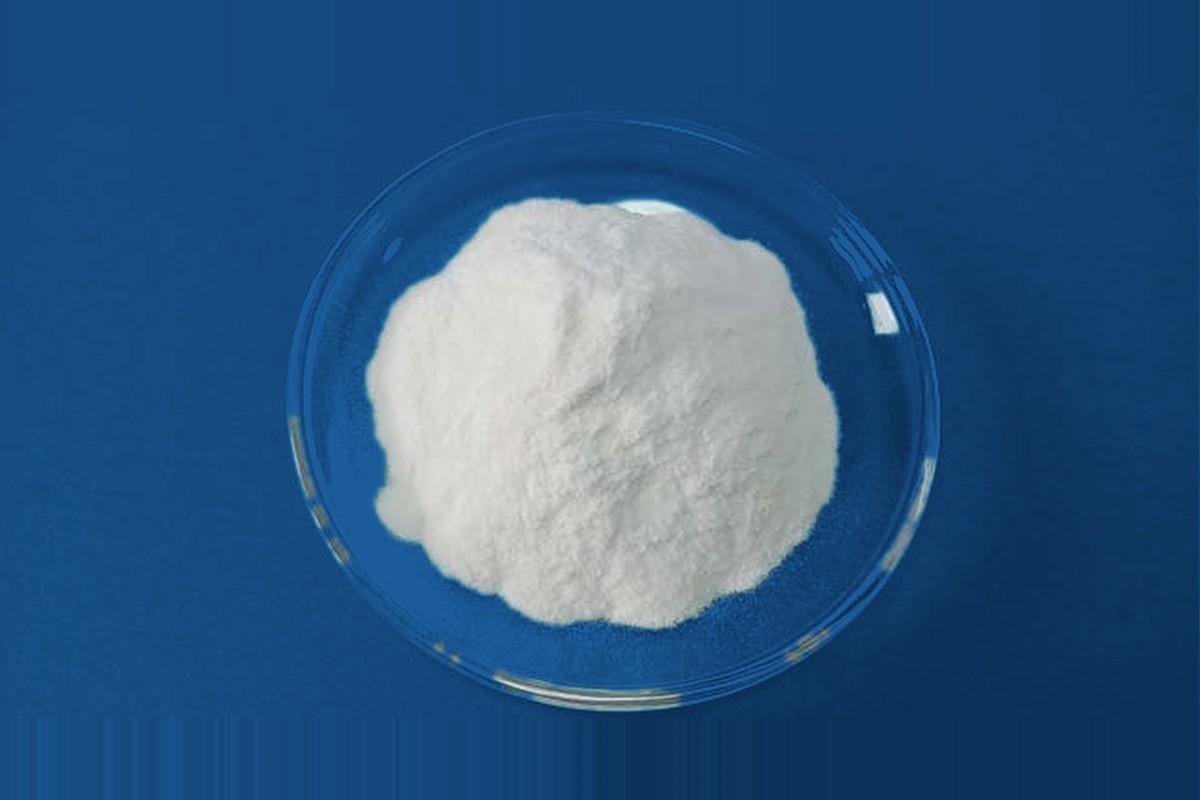
HPMC (hydroxypropyl methyl cellulose, also written hypromellose) is a non-ionic cellulose ether used as a water-retention agent, thickener and film former.
What HPMC is and what it does
HPMC (hydroxypropyl methyl cellulose, also written hypromellose) is a non-ionic cellulose ether used as a water-retention agent, thickener and film former. In construction it holds mixing water so cement and gypsum cure properly, extends open time and makes a paste easier to trowel; in coatings and daily chemical it thickens and stabilises. Water retention is the property most buyers are really paying for: a high-retention HPMC keeps water in the mortar film instead of letting the substrate pull it away, so the binder at the bond line reaches its rated strength.
- Construction – tile adhesive, putty, gypsum, self-levelling and render: water retention, open time, sag resistance.
- Coatings – thickening and stabilising in water-based systems.
- Daily chemical – thickening and stabilising.
Recommended bands by application
We organise grades by what you are making rather than by a model number. Each application below has a band; the exact grade inside it is matched to your mix.
| Application | Recommended band | What the band buys you |
|---|---|---|
| Tile adhesive | ~20,000-65,000 mPa.s | Water retention, open time, anti-slip |
| Wall putty & skim coat | ~35,000-55,000 mPa.s | Workability, sag resistance |
| Cement mortar & render | ~35,000-55,000 mPa.s | Water retention, anti-sag |
| Gypsum plaster | ~40,000-60,000 mPa.s | Retention without upsetting the set |
| Self-levelling | ~350-450 mPa.s | Low viscosity, anti-segregation, flow |
All bands are Brookfield RV, 2% solution, 20 C; NDJ equivalents are on the TDS. We publish the band, not a model number – the exact grade is matched to your mix, and every viscosity we quote carries its method, concentration, temperature and speed.
Choosing a grade: two things to get right
Instant or ordinary. Instant (surface-treated) HPMC disperses in cold water with a controlled delay before it starts to thicken, which is what a wet-blend or slurry line needs. Ordinary HPMC has no such delay and is added to the dry mix instead. Ordering the wrong one is not a quality problem – it is a process mismatch, and it shows up as lumps.
Higher viscosity is not automatically better. It buys sag resistance and water retention, but it can cost workability – a mortar that will not trowel out is not a better mortar. The grade is matched to the job rather than pushed to the top of the range.
How viscosity is quoted
Every viscosity comes in both NDJ and Brookfield, always with the test conditions – concentration, temperature, spindle and speed – so the number you check on arrival matches the one we shipped against. That matters most for HPMC, because the same grade quoted by NDJ and by Brookfield reads as two different numbers, and a buyer comparing two suppliers is often comparing two methods rather than two materials.
Documents and quality
We manufacture in our own plant inside a national-level chemical park in Wudi, Binzhou, Shandong: 68,000 m2, 27,000 tonnes a year, 120 staff of whom 30 are qualified technical personnel. These are numbers you can verify on site, and visits are welcome.
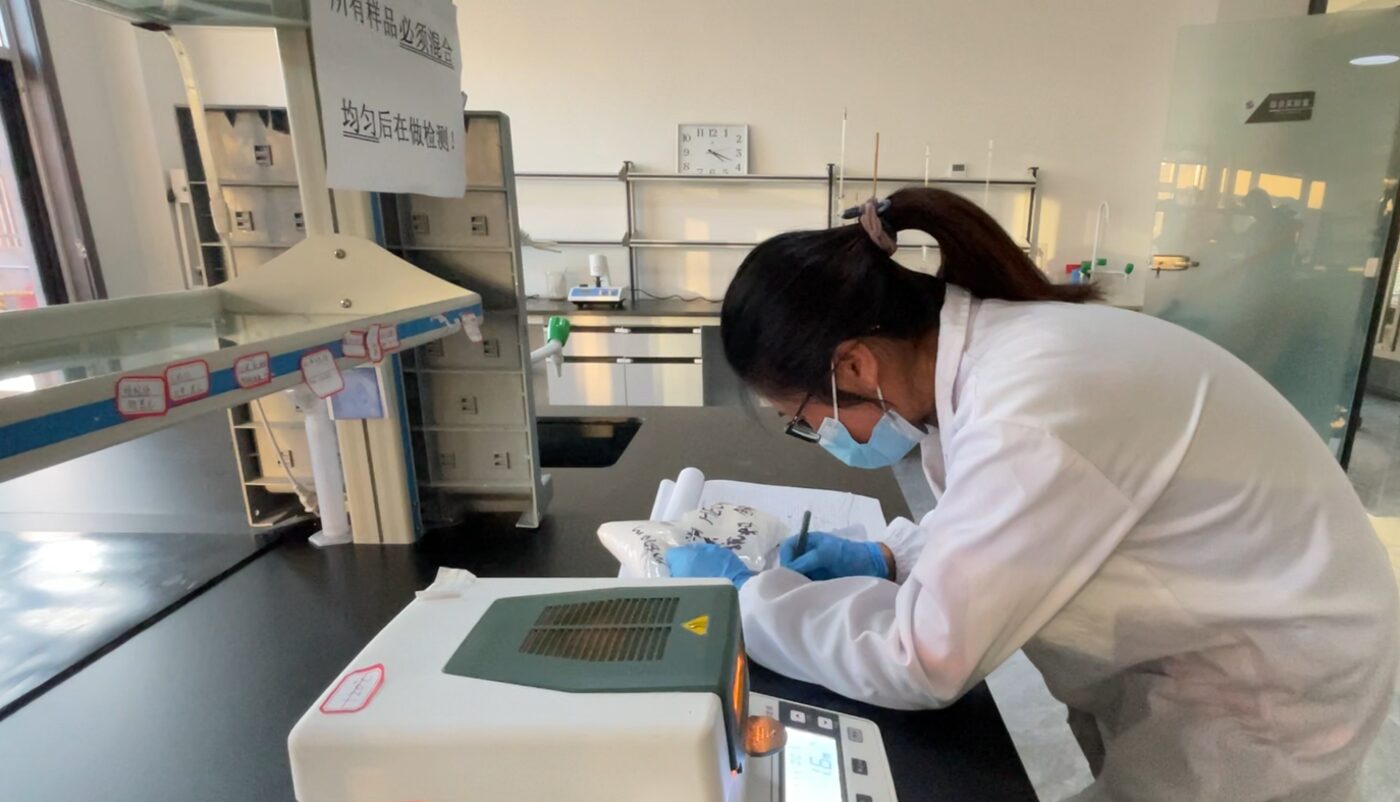
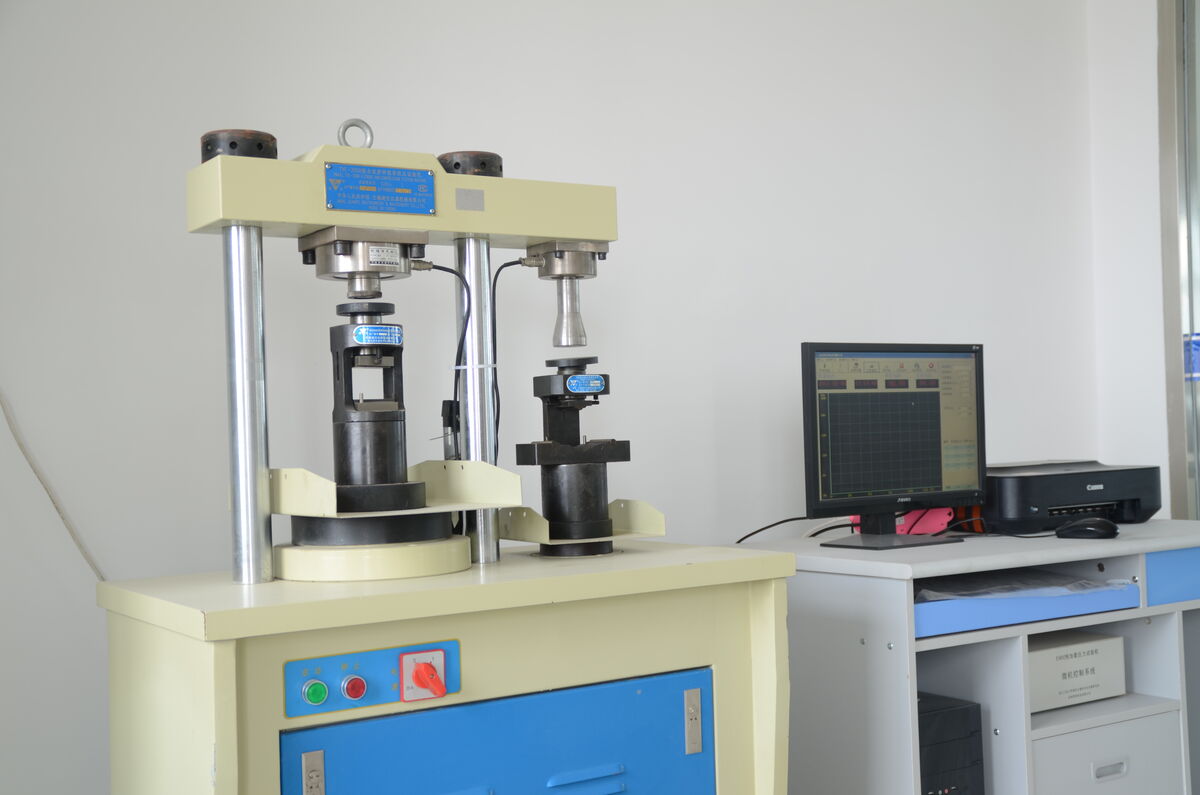
Formulation support is handled in-house by our application engineering group at the Wudi plant, working directly with process and QC. Technical enquiries are answered in writing, normally within one working day.
Certificates we hold are available for your review. For the SGS microbiological work and the bioMerieux elemental-impurity analysis we can give you the report reference numbers today on request.
We keep originals on file for our ISO 9001, 14001 and 45001 systems, our STAR-K Kosher certificate (covering HEC, HEMC, HPMC and MC), NMPA excipient registration F20240000184, the ChP 2020 quality standard and our long-term stability data – ask and they are yours to check.
Frequently Asked Questions
Instant HPMC or ordinary HPMC – which do I need?
Instant (surface-treated) grades go into cold water with a controlled delay and suit wet-blend or slurry lines; ordinary grades go into the dry mix. Tell us your process and we point you to the right one.
Which viscosity should I choose for tile adhesive?
It depends on your cement, filler and dosage, but tile adhesive typically sits in a wide band around 20,000-65,000 mPa.s (Brookfield RV, 2%, 20 C). We recommend a starting grade and confirm it on your formula.
Why do viscosity numbers differ between suppliers?
Usually because of the method. The same grade reads differently by NDJ and by Brookfield, and by concentration and temperature – we state all of those on every figure so your incoming QC lines up with ours.
Do you supply HPMC for food or pharmaceutical applications?
For pharmaceutical use we work to pharmacopoeia substitution types (2910/2906/2208) with documentation, and STAR-K Kosher (Pareve) covers our HPMC – see our Pharma & Food area. Construction and coatings grades are covered on this page. Tell us the application and we confirm in writing what we can supply for it.
TDS on request + SDS available on request + get a quote; or select by application above
TDS on request + SDS available on request + get a quote; or select by application above.