
HEMC / MHEC (Hydroxyethyl Methyl Cellulose) – Construction Grade
Construction-grade water retention and rheology for tile adhesive, render, plaster and putty – self-produced, quoted with full test conditions, and backed by batch data we send before you order.
What HEMC does in a mortar
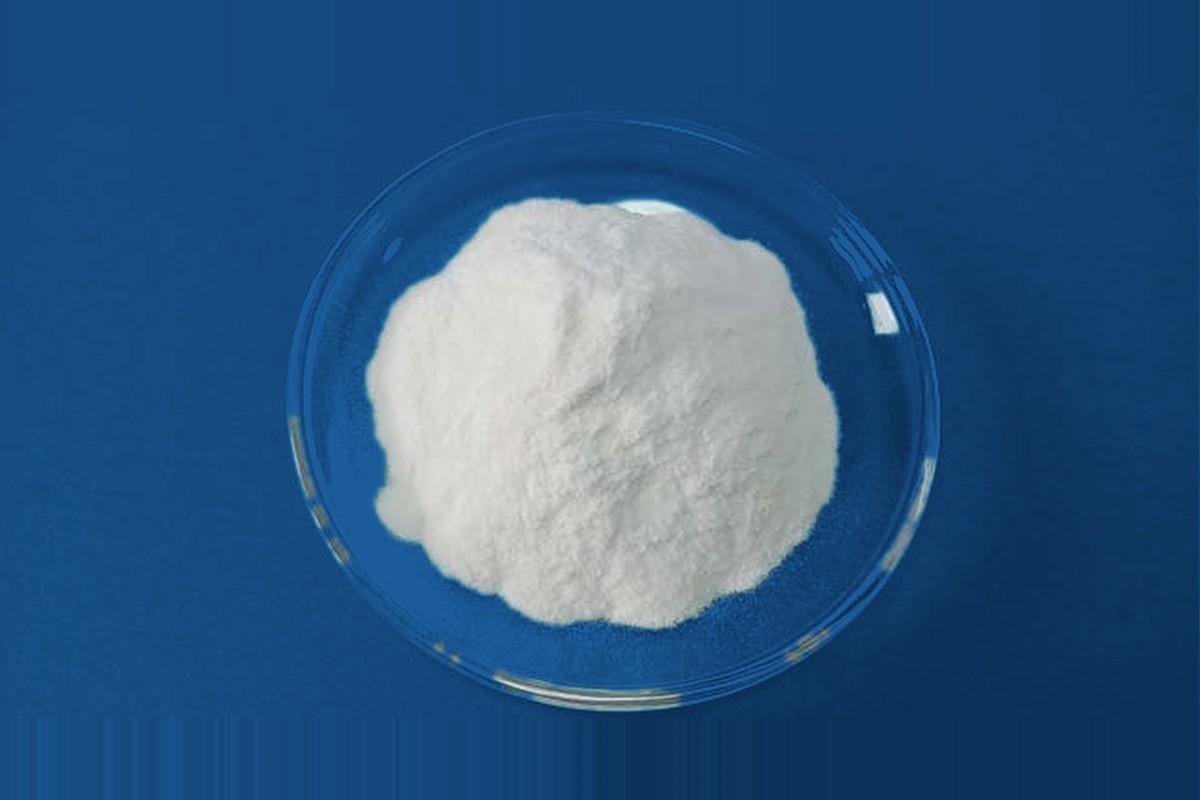
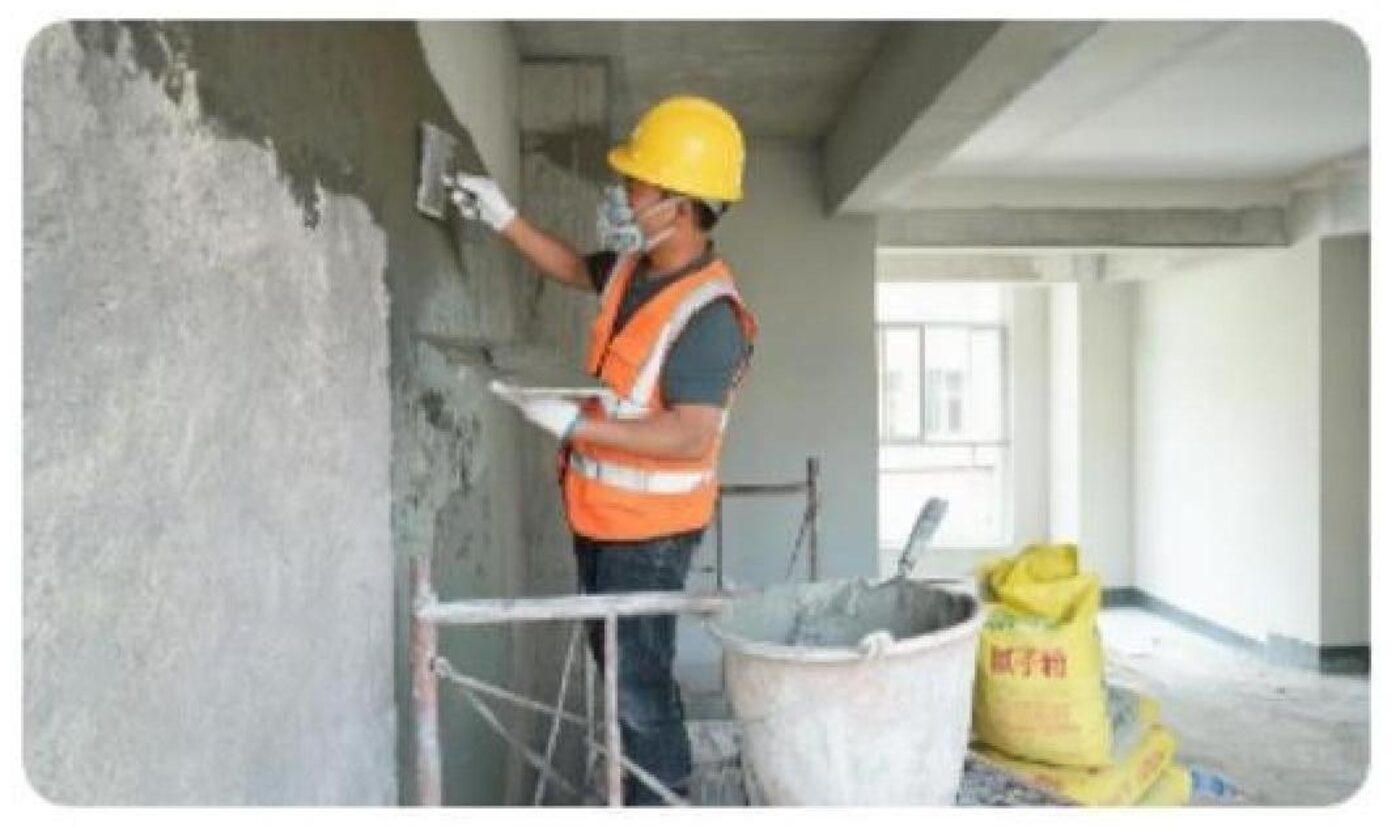
HEMC is what decides how your mortar behaves between mixing and set. It holds the mixing water in the mortar instead of letting a dry or absorbent substrate pull it out, so the cement hydrates properly and a tile adhesive keeps its open time. It thickens the wet mix, so render does not sag off the wall and tiles stay where they are placed, and it makes the paste smoother to trowel. Where it separates from ordinary HPMC is heat tolerance – and that is not a spec-sheet detail: it decides whether a mortar survives a hot-climate summer.
- Tile adhesive and render – the high gel temperature does the work in hot-climate application.
- Putty and gypsum – workability is what the grade is chosen for.
- Hot-climate markets – Middle East, Africa and Southeast Asia, where a mortar has to survive the summer.
Why the higher gel temperature matters
As a cellulose-ether solution heats up it eventually gels and stops retaining water; the higher gel point of HEMC (>=75 C for our construction grade) keeps it working when tile adhesive is troweled onto a hot wall or render is applied in Middle East, African or Southeast Asian heat. That is why HEMC is often specified over HPMC for tile adhesives, renders and plasters in warm markets. Typical construction-grade profile: methoxyl 19-30%, hydroxyethyl 8-10%, gel temperature >=75 C, viscosity range 400-240,000 mPa.s (+/-20%).
Typical profile – and how every figure is stated
| Property | Typical value | How it is measured / stated |
|---|---|---|
| CAS number | 9032-42-2 | — |
| Methoxyl | 19-30% | — |
| Hydroxyethyl | 8-10% | — |
| Gel temperature | ≥75 C | Construction grade |
| Viscosity range | 400-240,000 mPa.s (+/-20%) | Brookfield and NDJ, both quoted. Concentration, temperature, spindle and speed stated on every figure. |
| Batch-tested viscosity | 24,750 / 66,000 / 72,600 / 88,400 mPa.s | Four 2026 production batches, 2% solution, 20 C. Ask and we send the data with a sample. |
The third column is the point: a viscosity without its test conditions is not a specification, it is a guess. The last row comes from four consecutive production batches, not a single reading.
How viscosity is quoted
We quote the band and set the grade against your formula. Certificates we hold are available for your review.
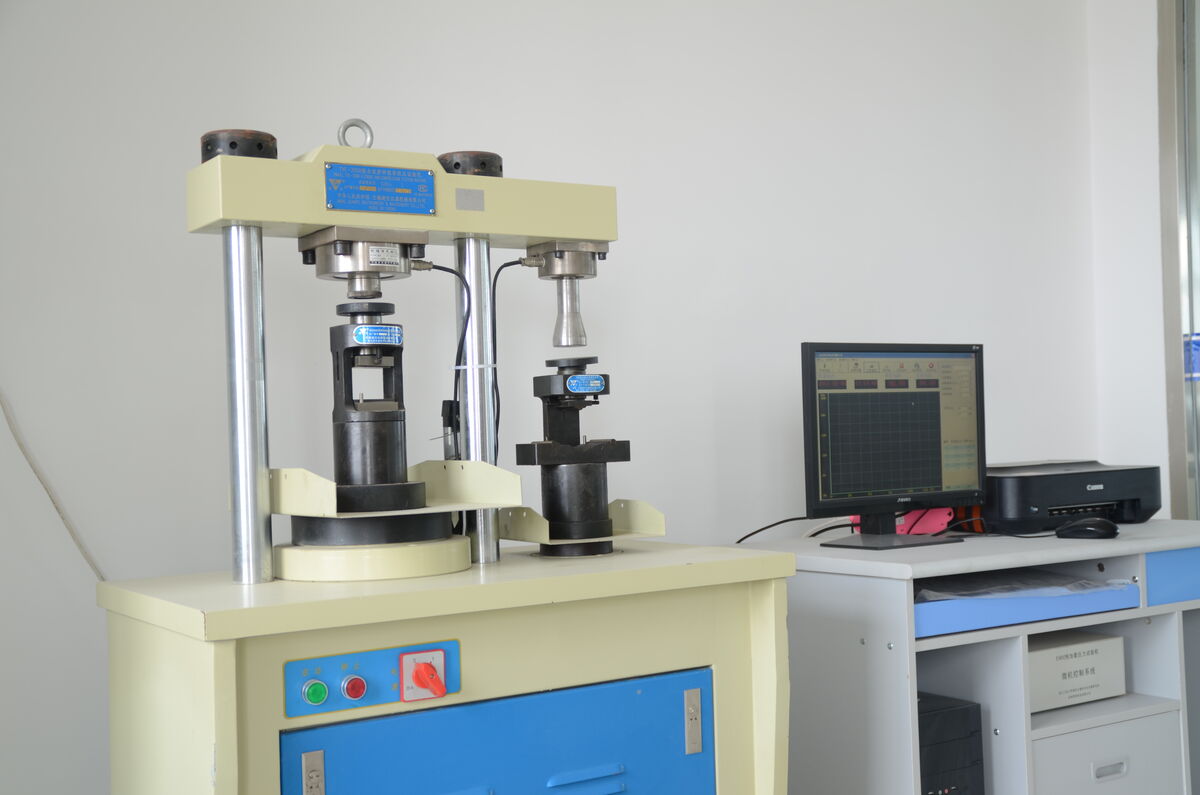
Every viscosity comes in both NDJ and Brookfield, always with the test conditions – concentration, temperature, spindle and speed – so the number you check on arrival matches the one we shipped against.
Documents
We manufacture in our own plant inside a national-level chemical park in Wudi, Binzhou, Shandong: 68,000 m2, 27,000 tonnes a year, 120 staff of whom 30 are qualified technical personnel. These are numbers you can verify on site, and visits are welcome.
Four 2026 production batches tested (24,750 / 66,000 / 72,600 / 88,400 mPa.s at 2%, 20 C) – concrete batch data you can check against your own specification.
Frequently Asked Questions
Does HEMC delay setting?
Cellulose ethers extend open time and can push back the set; how far depends on grade, dosage and your cement. We recommend a grade against your formula and confirm set behaviour on a parallel test rather than asking you to take a number on trust.
When should I choose HEMC over HPMC?
Mainly for heat. HEMC’s higher gel temperature (>=75 C) holds performance when adhesive or render is applied to hot substrates or in hot climates; HPMC is fine in temperate conditions.
Can I see real test data before I buy?
Yes. Four 2026 production batches were tested at 2% and 20 C (24,750 / 66,000 / 72,600 / 88,400 mPa.s) – ask and we send the data with a sample.
What viscosity do I need for tile adhesive?
It depends on your mix, but our construction range spans 400-240,000 mPa.s; we recommend a grade against your formula and confirm it on a parallel test.
Request an HEMC/MHEC sample + the batch data + get a quote
Request an HEMC/MHEC sample + the batch data + get a quote.