
Hydroxyethyl Cellulose (HEC) – Coatings, Paint & Daily-Chemical Grades
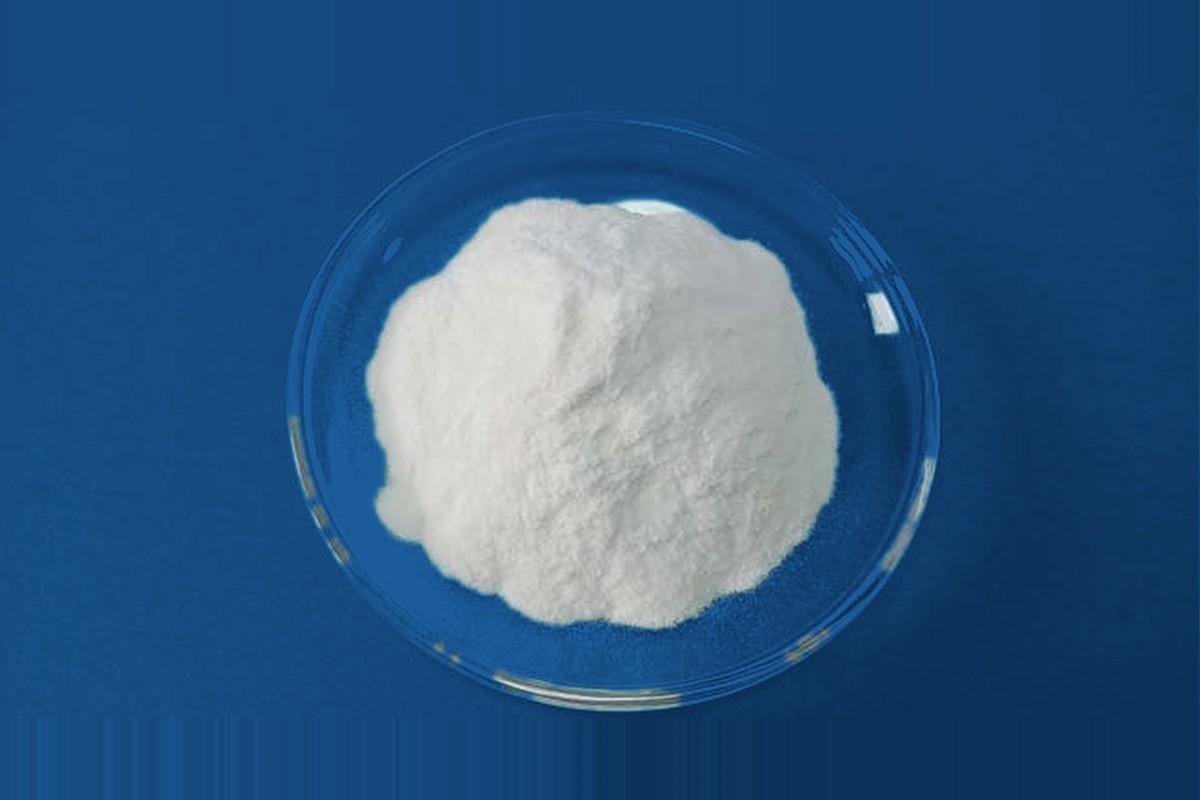
Hydroxyethyl cellulose (HEC) is a non-ionic, water-soluble cellulose ether (CAS 9004-62-0) prized as a thickener and stabiliser in water-based systems – latex paints and coatings above all, plus personal care and oil-field uses.
What HEC is and where it excels
Hydroxyethyl cellulose (HEC) is a non-ionic, water-soluble cellulose ether (CAS 9004-62-0) prized as a thickener and stabiliser in water-based systems – latex paints and coatings above all, plus personal care and oil-field uses. Its strength is clean, efficient thickening with good suspension and stability, and easy compatibility across a wide pH range, which is why paint formulators reach for it.
- Latex paint and coatings – the main market: thickening, anti-sag, anti-settling, flow and levelling.
- Personal care and daily chemical – clear, salt-tolerant thickening.
- Oil-field – water-based fluid systems.

What goes wrong in a paint, and what HEC fixes
Most of the complaints that send a paint formulator looking for a better thickener are storage-and-application failures rather than chemistry failures. The film sags on a vertical surface and the roller leaves lap marks that never close over. Pigment settles into a cake at the bottom of the drum that will not stir back in. Or the batch is lost before the paint is even made, to fish-eyes and lumps that formed in the first minute after the powder hit the water.
HEC answers the first two directly. It sets in-can viscosity so the paint stays where it is applied instead of sagging, it holds pigment in suspension instead of letting it settle, and it improves flow and levelling so the film closes over roller marks. Being non-ionic, it keeps that viscosity across a wide pH range and across many surfactant systems, which is a large part of why paint formulators reach for it. Salt and biocide packages still matter, so we validate on your formula rather than assume.
The third problem is not solved by the molecule at all – it is solved by the grade and the addition method. That is what the dissolution section below covers.
Typical profile – and how every figure is stated
| Property | Typical value | How it is measured / stated |
|---|---|---|
| Ionic character | Non-ionic | — |
| CAS number | 9004-62-0 | — |
| Molar substitution (MS) | 1.5-2.5 | — |
| Degree of substitution (DS) | 2.2-2.8 | — |
| Viscosity | From a few hundred to over 100,000 mPa.s across grades | Brookfield and NDJ, both quoted. Concentration, temperature, spindle and speed stated on every figure. HEC is commonly quoted at 1%. |
| pH behaviour | Holds viscosity across a wide pH range | Confirmed against your formula |
The third column is the point: a viscosity without its test conditions is not a specification, it is a guess. Grades are selected by application band and confirmed against your system.
Dissolution without lumps
Lumping is a mixing-window problem, not a quality problem. The instant HEC powder meets water, the outside of each particle starts to hydrate; if the particles are still touching each other when that happens, they weld into a gel skin with dry powder trapped inside – fish-eyes that no amount of further stirring will open up.
There are two ways to keep the window open. A surface-treated grade is chemically delayed: it will sit in water and disperse for a controlled period before viscosity starts to build, which is enough time to get it fully wetted out and separated. An untreated grade has no such delay, so it has to be added slowly into a good vortex and never dumped in.
Do not use hot water to speed it up. HEC dissolves in cold and hot water alike, so heat buys you nothing and it accelerates surface hydration – hot water makes fish-eyes, it does not prevent them. (This is the opposite of MC and HPMC, which are dispersed in water above 90 C precisely because they gel at that temperature. Do not carry that habit across to HEC.)
Tell us your process – dry blend, cold-water make-down, or in-line – and we will recommend the grade and the addition method to match it.
How viscosity is quoted
Every viscosity comes in both NDJ and Brookfield, always with the test conditions – concentration, temperature, spindle and speed – so the number you check on arrival matches the one we shipped against. HEC is commonly quoted at 1%, and that is stated on each figure.
Documents
Certificates we hold are available for your review. We manufacture in our own plant inside a national-level chemical park in Wudi, Binzhou, Shandong: 68,000 m2, 27,000 tonnes a year, 120 staff of whom 30 are qualified technical personnel. These are numbers you can verify on site, and visits are welcome.
Frequently Asked Questions
How do I dissolve HEC without lumps?
Disperse it into water and let it wet out before it thickens – a surface-treated grade buys you that window. Adding an untreated grade too fast, or into hot water, is what causes fish-eyes; tell us your process and we recommend the right grade and addition method.
Which grade for latex paint?
It depends on your target KU/ICI and pigment loading, but paint grades span a broad viscosity band; we recommend a starting grade and confirm it against your system.
Is HEC compatible with my surfactants and pH?
HEC is non-ionic and tolerant across a wide pH range and many surfactant systems, which is a large part of its appeal. Salt and biocide packages still matter, so we validate on your formula.
Can HEC be used in personal care?
Yes – as a clear, efficient thickener; if you need a specific grade or documentation for a personal-care application, ask and we advise.