
Carboxymethyl Cellulose (CMC / Sodium CMC) – Industrial Grades
Sodium carboxymethyl cellulose (CMC) is an anionic, water-soluble cellulose ether used as a thickener, binder, suspension aid and water-retention agent.
What CMC is and where it is used
Sodium carboxymethyl cellulose (CMC) is an anionic, water-soluble cellulose ether used as a thickener, binder, suspension aid and water-retention agent. Because it is anionic, it behaves differently from the non-ionic cellulose ethers: it thickens efficiently and suspends solids well, but is more sensitive to salt and to strong acids, so the grade is chosen around your system’s pH and electrolyte load. Industrial CMC serves detergents and daily chemical, water-based coatings, ceramics and oil-field fluids, across food, coatings, detergent, toothpaste and ceramic families.
- Detergent and daily chemical – thickening and suspension.
- Water-based coatings – rheology control and stability.
- Ceramics – binding and suspension of slips and glazes.
- Oil-field fluids – viscosity and fluid-loss control.
- Food and toothpaste applications – quoted separately from the industrial families.
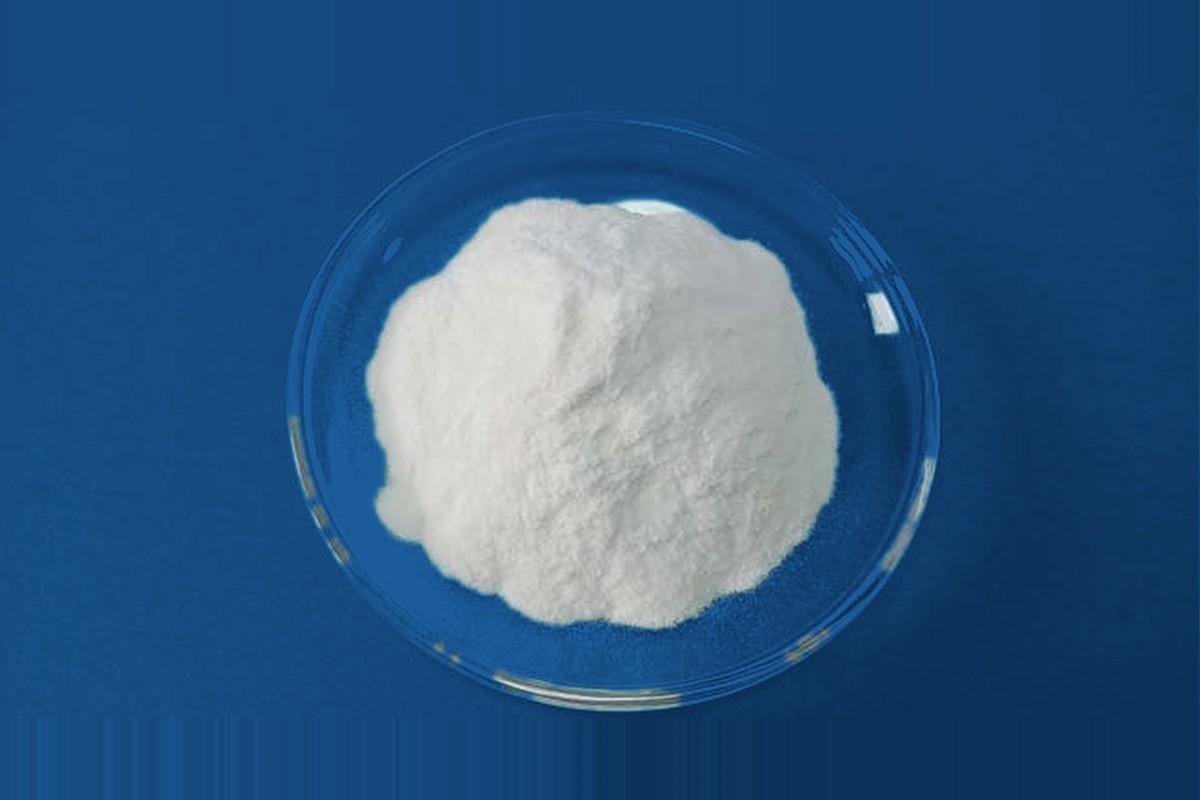
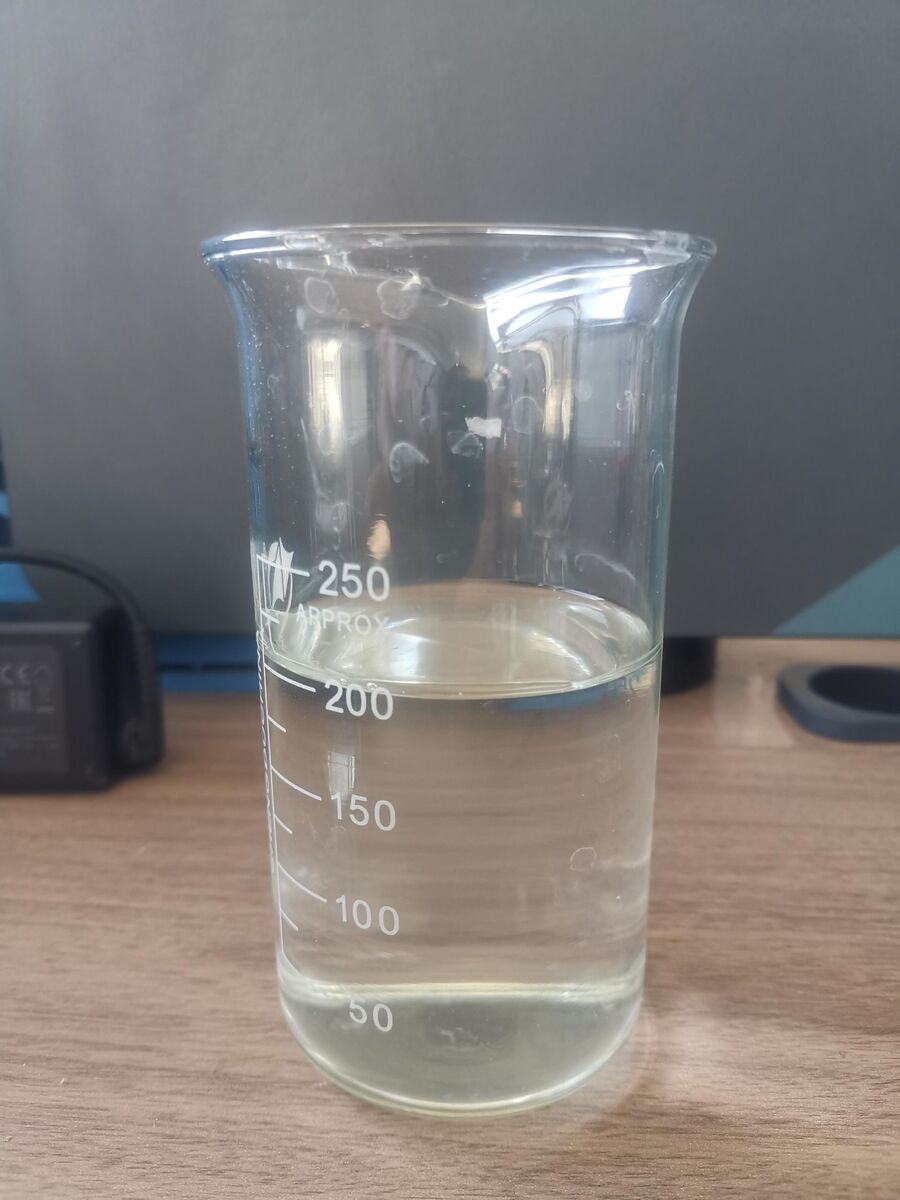
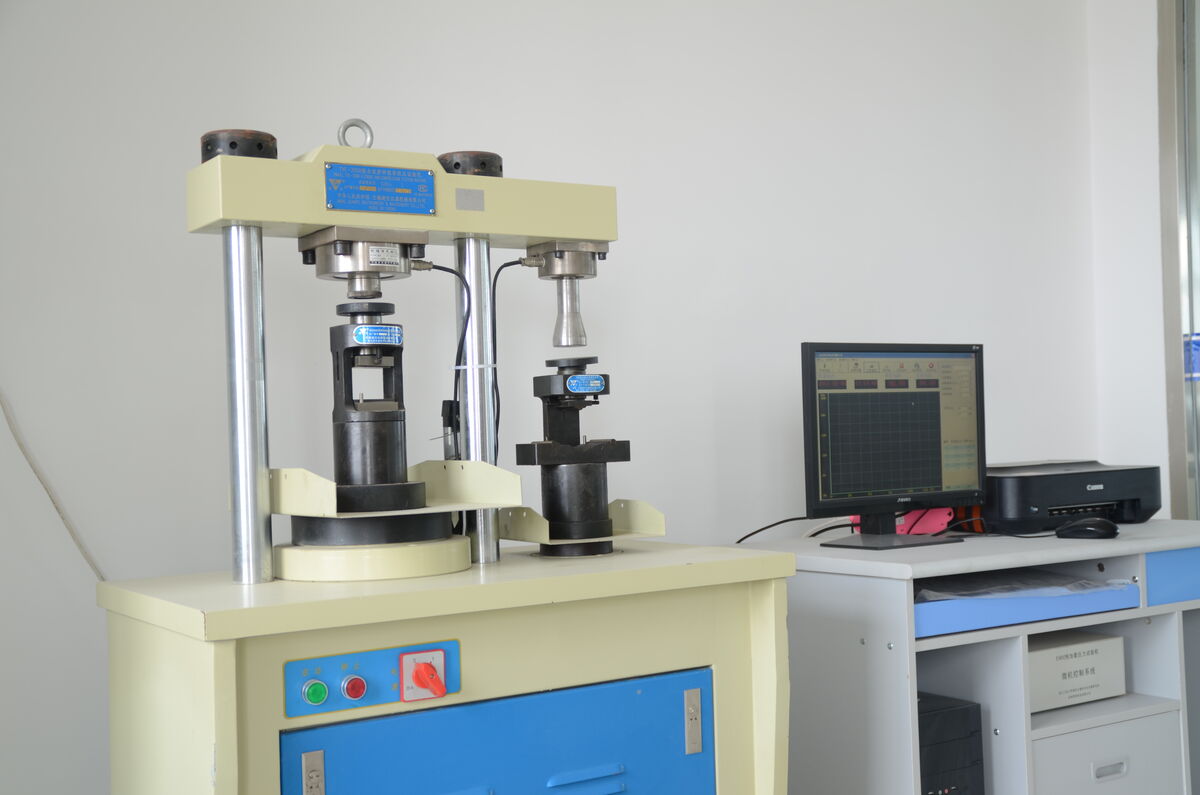
Why anionic changes how you buy it
CMC is the odd one out in our range: it is anionic, and the other cellulose ethers are not. That single difference is what decides whether a grade works in your system. It thickens efficiently and suspends solids well, but it is more sensitive to salt and to strong acids – so a grade that performs in a low-electrolyte coating can thin out badly in a high-salt detergent, and one that is stable at neutral pH can lose viscosity in an acidic system.
Two numbers carry the decision. Degree of substitution (DS) drives solubility, clarity and salt tolerance; viscosity sets thickening and suspension. Tell us the pH and the electrolyte load your system runs at, and the grade is chosen around those rather than around a catalogue position.
AHS-5000 reference grade – and how every figure is stated
| Property | Typical value | How it is measured / stated |
|---|---|---|
| Reference grade | AHS-5000 | High-purity sodium CMC; batch COA on file |
| Ionic character | Anionic | — |
| Purity | ~98.8% | Batch COA |
| Degree of substitution (DS) | ~0.87 | Batch COA |
| pH | ~7.3 | Batch COA |
| Fineness | ~99.4% through screen | Batch COA |
| Moisture | ~6.7% | Batch COA |
| Viscosity | 5,000-6,000 mPa.s | Specification, not a single batch reading. Brookfield LVT, 1%, 25 C – stated explicitly so your incoming QC uses the same method. |
The third column is the point, and the last row in particular: the figures are grade specifications, with the viscometer, concentration and temperature named. CMC quoted at 1% on an LVT is a different number from the same material quoted at 2%, and a spec without that context cannot be checked on arrival.
How viscosity is quoted
Our CMC viscosity is measured Brookfield LVT, 1%, 25 C – stated explicitly so your incoming QC uses the same method. Certificates we hold are available for your review.
Every viscosity comes in both NDJ and Brookfield, always with the test conditions – concentration, temperature, spindle and speed – so the number you check on arrival matches the one we shipped against.
Documents
A single-batch COA is on file for AHS-5000.
We manufacture in our own plant inside a national-level chemical park in Wudi, Binzhou, Shandong: 68,000 m2, 27,000 tonnes a year, 120 staff of whom 30 are qualified technical personnel. These are numbers you can verify on site, and visits are welcome.
Batch COA on file for AHS-5000.
Frequently Asked Questions
What is degree of substitution and why does it matter?
DS is the average number of carboxymethyl groups per glucose unit. Higher DS generally means better solubility, clarity and salt tolerance – it is one of the two numbers (with viscosity) that decide whether a grade suits your system.
Is your CMC food grade?
The AHS-5000 reference here is an industrial grade. Tell us the application and we confirm in writing what we can supply for it.
How is the viscosity measured?
AHS-5000 is specified 5,000-6,000 by Brookfield LVT at 1% and 25 C. CMC is method-sensitive, so we always state method, concentration and temperature.
Can I get a COA and a sample?
Yes – a batch COA is on file for AHS-5000; request it with a sample and we confirm the grade against your formula.
Request an AHS-5000 sample and COA + get a quote
Request an AHS-5000 sample and COA + get a quote.